

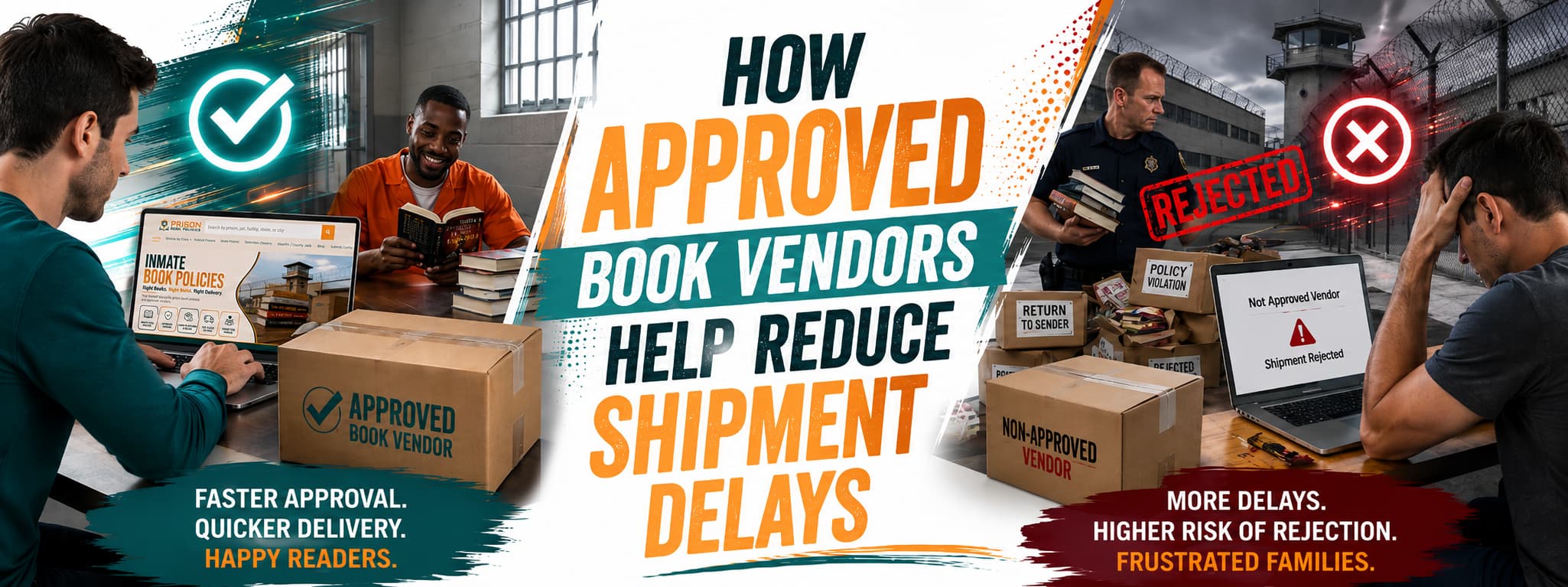
Learn how approved book vendors help reduce shipment delays when sending books to inmates. Tips for compliant, safe, and timely delivery.
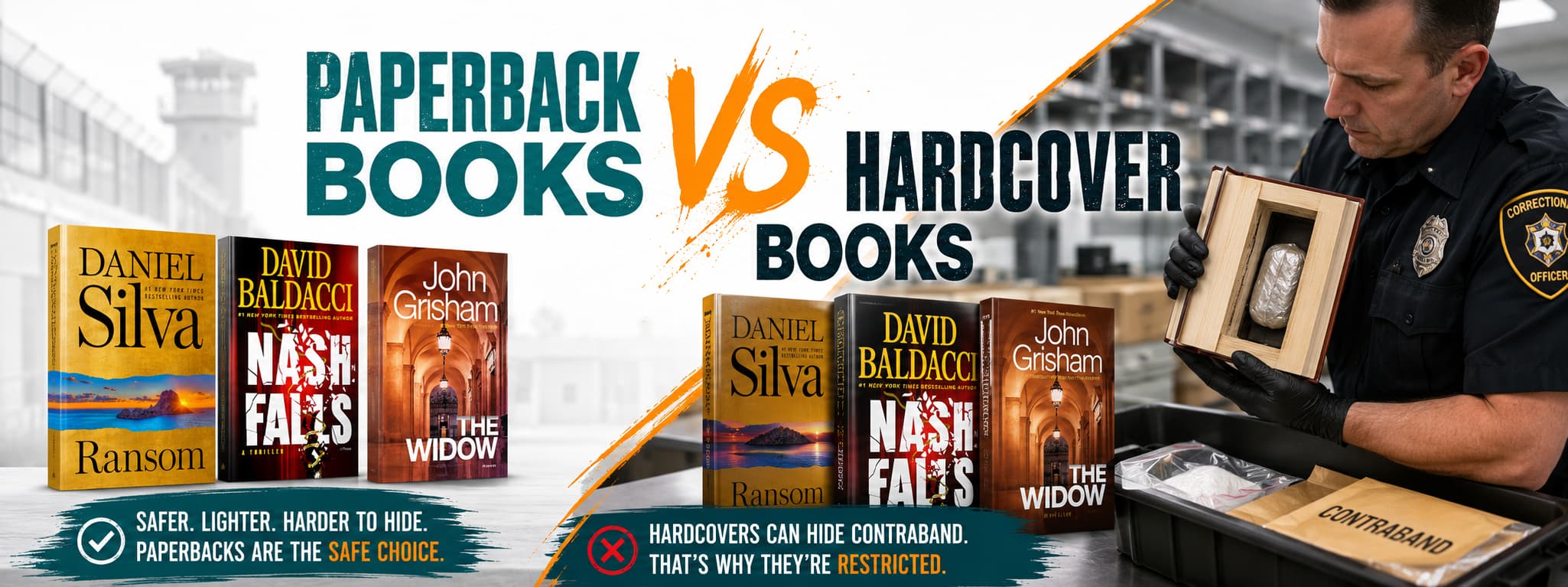
Paperback Books vs Hardcover: Why Correctional Facilities Have Different Rules
Learn why correctional facilities prefer paperback books over hardcover. Tips for safe book delivery and following prison book policies.

Can You Send Multiple Books to an Inmate in One Shipment?
Sending books to incarcerated loved ones is an essential way to support education, mental engagement, and personal growth. Many families wonder whether they can send more than one book at a time. Understanding the rules and best practices for sending books to inmate is critical to ensure that packages are accepted and delivered without delay. This guide from Prison Book Policies explains whether multiple books can be sent in a single shipment, common restrictions, and tips for safe and compliant delivery. Why Facilities Limit the Number of Books Correctional facilities enforce limits on books to inmate shipments for several reasons: Because of these reasons, each facility may have its own rules regarding how many books can be sent in a single package. Facility Policies on Multiple Books Policies vary widely across correctional facilities. Common approaches include: Always check the rules for the specific correctional facility before sending multiple books to inmate. Tips for Sending Multiple Books to an Inmate If you want to send more than one book, follow these best practices to avoid rejection: 1. Use Approved Vendors 2. Verify Facility Rules 3. Accurate Inmate Information 4. Appropriate Book Types 5. Proper Packaging 6. Consider Separate Shipments Common Reasons Multiple Books Are Rejected Even when following best practices, shipments of multiple books to inmate can be rejected if: Understanding these reasons helps families prevent delays or lost shipments. Benefits of Sending Multiple Books When allowed, sending multiple books can have significant benefits for inmates: Multiple books to inmate can enhance educational and rehabilitation programs when properly approved. How Prison Book Policies Helps At Prison Book Policies, we provide resources and services to help families navigate the rules for sending books to inmate: These services make it easier to send multiple books safely and compliantly. Contact Prison Book Policies If you have any queries related to prison book regulations or about our services, feel free to contact us at: We’re here to serve you. Final Thoughts Sending multiple books to inmate is possible in many correctional facilities, but strict rules apply to ensure security and compliance. By using approved vendors, verifying inmate information, following content guidelines, and checking facility-specific limits, families can successfully send multiple books while minimizing the risk of rejection. Understanding the policies and using resources like Prison Book Policies ensures that your packages reach inmates safely and provide meaningful educational, recreational, and rehabilitative benefits.
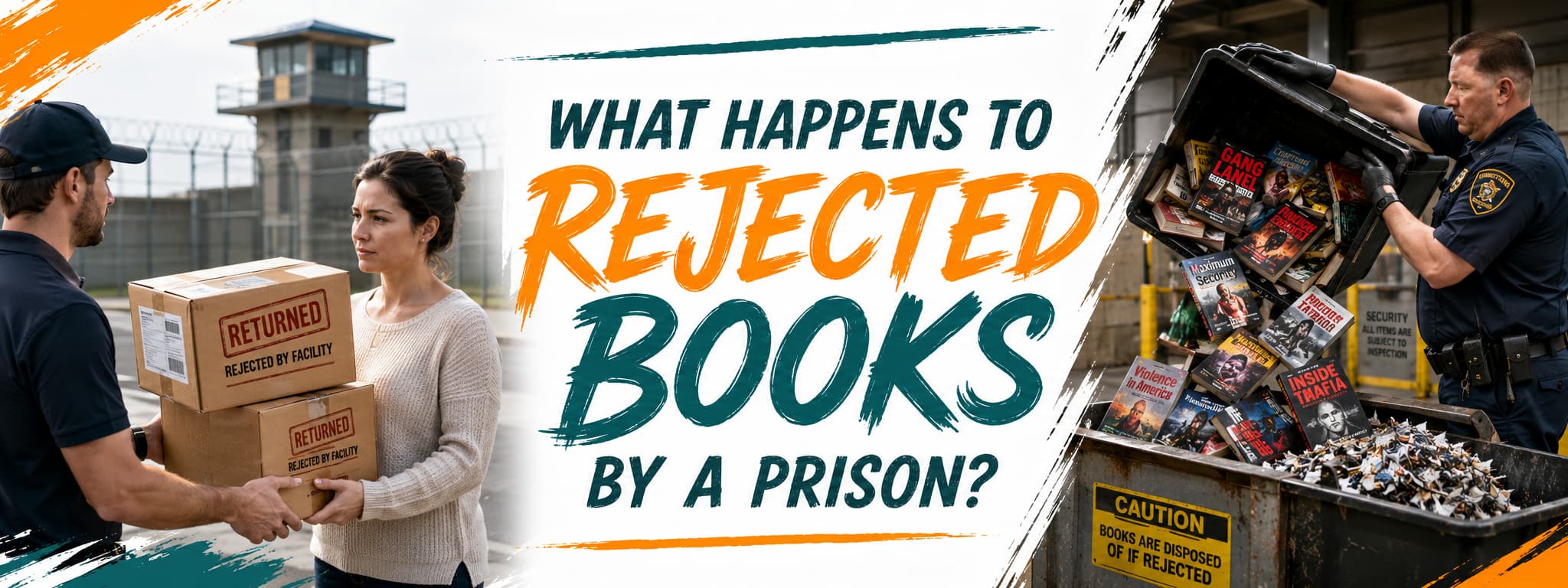
What Happens to Rejected Books by a Prison?
Learn what happens to rejected books in prisons and how to prevent rejections. Tips for families to send inmate books safely and effectively.
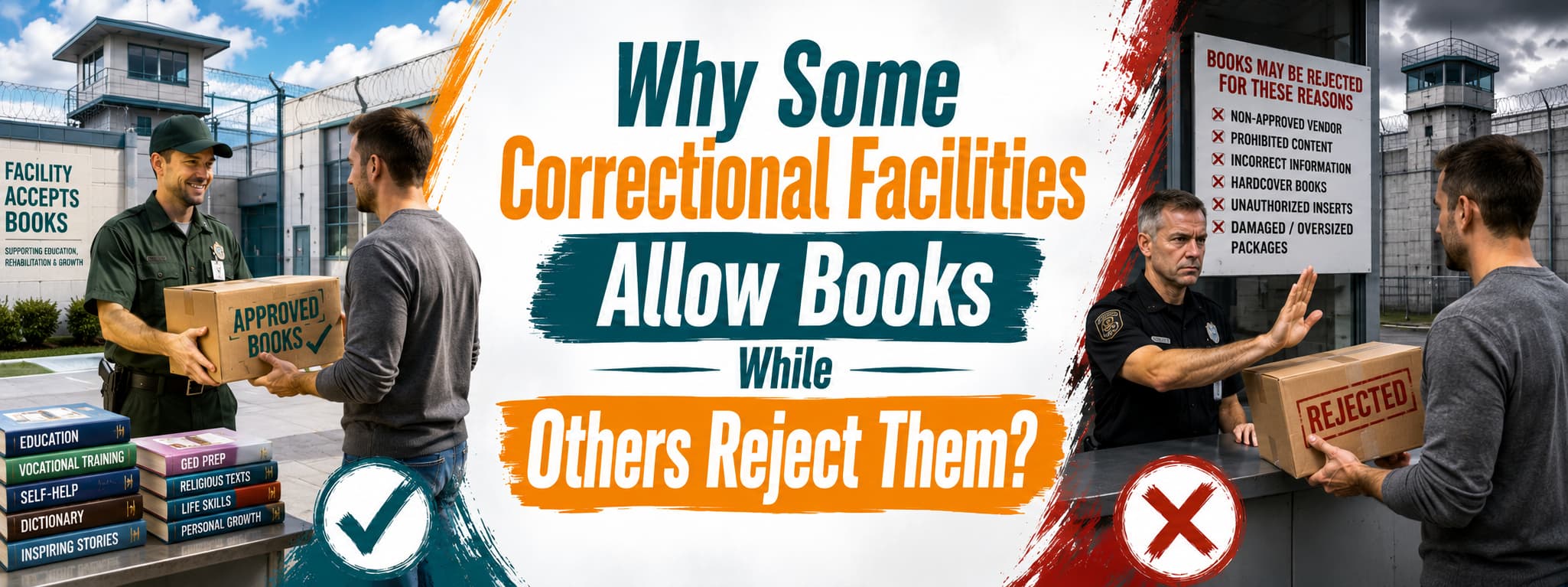
Why Some Correctional Facilities Allow Books While Others Reject Them
Learn why correctional facilities allow some books while rejecting others. Tips for sending books safely and ensuring inmate mail reaches its destination.
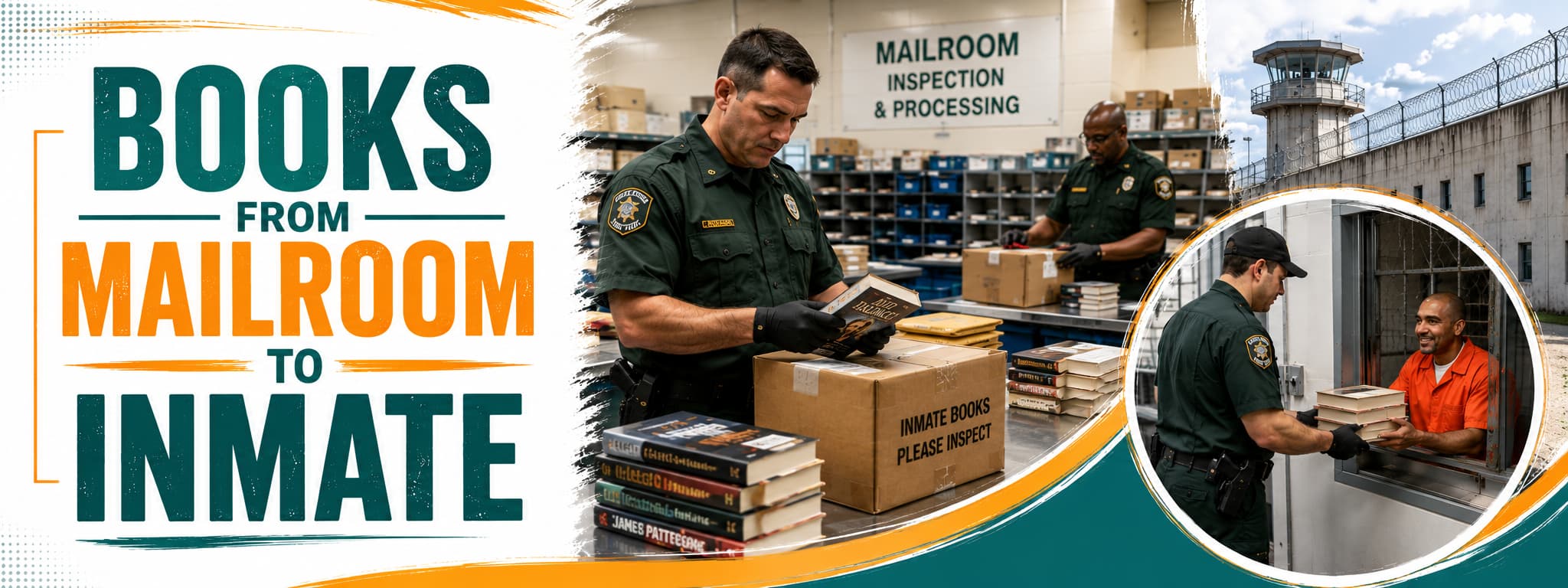
How Prison Mailrooms Process Books Before They Reach an Inmate
Learn how the prison mailroom processes books before they reach inmates. Tips for compliance, approved vendors, and safe delivery of inmate packages.
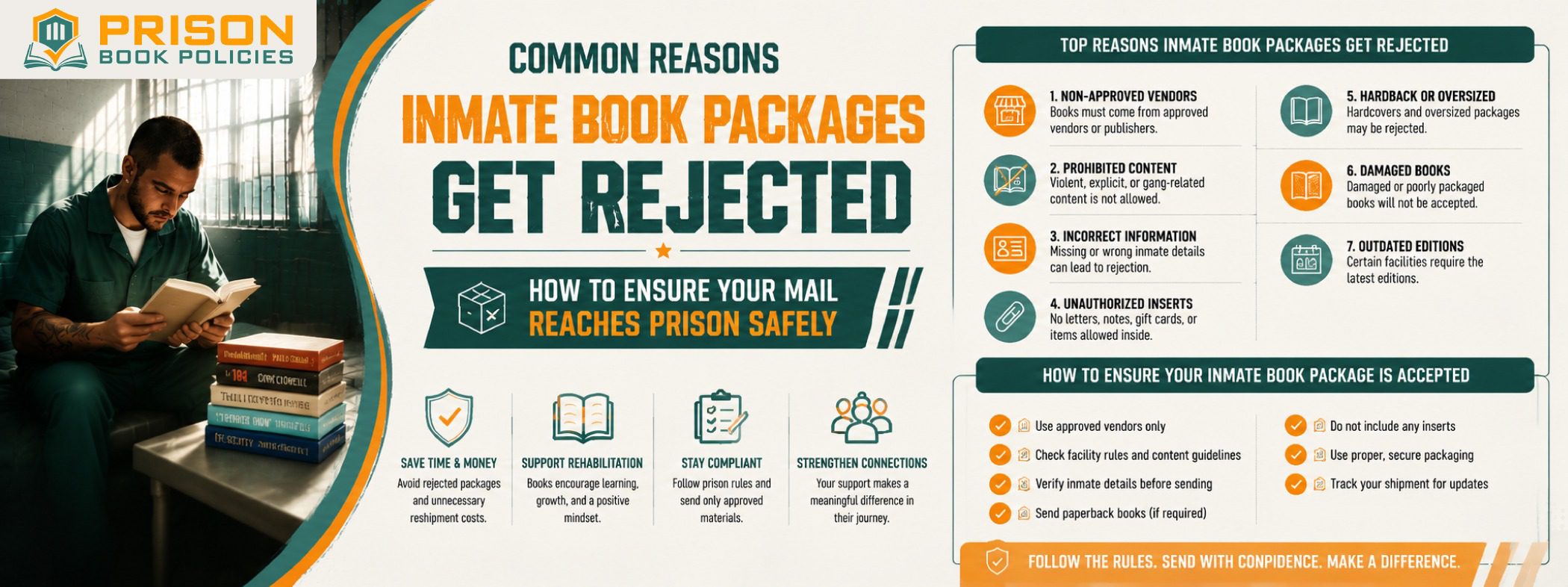
Common Reasons Inmate Book Packages Get Rejected – How to Ensure Your Mail Reaches Prison Safely
Sending books to incarcerated loved ones is one of the most meaningful ways to support education, rehabilitation, and personal growth. However, not all inmate book packages successfully reach their intended recipients. Rejected mail can be frustrating, costly, and time-consuming for families. Understanding why inmate book packages are rejected and following best practices can ensure your mail reaches prisoners safely and efficiently. This guide from Prison Book Policies explains the most common reasons for rejected inmate book packages and provides practical tips for sending books correctly. Families who understand inmate book packages rules can avoid unnecessary shipment delays. Why Inmate Book Packages Get Rejected Correctional facilities maintain strict security standards to prevent contraband, prohibited content, and unapproved materials from entering their institutions. Because of these regulations, inmate book packages can be rejected for a variety of reasons. Understanding inmate book packages policies helps families prepare compliant shipments. 1. Non-Approved Vendors Many facilities require that all inmate book packages come directly from approved vendors, publishers, or bookstores. Packages sent by private individuals are frequently rejected to maintain security and consistency in the inspection process. Solution: Always use an officially approved vendor such as SureShot Books Publishing LLC, Corrections BookStore, or other facility-recognized sources for inmate book packages. 2. Prohibited Content Books containing violent, sexually explicit, or gang-related material are a common reason for rejection. Prisons often provide detailed lists of prohibited topics and genres, which can vary by institution. Solution: Check the facility’s specific rules before sending books. Stick to educational, religious, self-help, or general fiction and nonfiction that complies with the facility’s content guidelines for inmate book packages. 3. Incorrect or Incomplete Inmate Information If the inmate’s full legal name, identification number, or housing unit is missing or incorrect, the package may be returned. Even small errors can result in rejection. Solution: Always verify the inmate’s details directly with the correctional facility before sending any books. Include full legal names, inmate ID numbers, and exact facility addresses on inmate book packages. 4. Unauthorized Inserts Including letters, gift cards, or other personal items inside inmate book packages is prohibited at most facilities. Even notes written on bookmarks or inside books can lead to rejection. Solution: Only send the books themselves, and ensure no personal items are hidden inside the package. 5. Hardback Books or Oversized Packages Some facilities do not accept hardcover books or packages exceeding size or weight restrictions. Hardback books can pose security concerns due to the potential for hidden compartments. Solution: Send paperback editions whenever possible and follow the facility’s size and weight limits for inmate book packages. 6. Damaged or Poorly Packaged Books Books that are damaged, torn, or packaged improperly can be rejected. Prisons require materials to be sent in secure, tamper-proof packaging that can withstand inspection. Solution: Use sturdy packaging and ensure books are in good condition. Remove plastic wrapping unless required by the publisher or vendor. 7. Outdated or Unauthorized Editions Certain correctional facilities require the latest editions of educational or religious texts. Sending outdated editions can result in rejection. Solution: Verify edition requirements with the facility or use vendors familiar with prison-approved books and inmate book packages. Tips for Ensuring Your Inmate Book Packages Are Accepted Following these best practices can dramatically reduce the risk of rejected packages: By following these steps, families can ensure their inmate book packages reach inmates safely and without unnecessary delays. Properly prepared inmate book packages are more likely to be accepted quickly. Services Offered by Prison Book Policies At Prison Book Policies, we help families, friends, and organizations navigate the complex rules surrounding inmate mail and book shipments. Our services include: Our goal is to make the process of sending books to inmates easier, safer, and fully compliant with correctional facility regulations. Contact Prison Book Policies If you have any queries related to prison book regulations or about our services, feel free to contact us at: We’re here to serve you. Final Thoughts Sending books to incarcerated loved ones is an invaluable way to support education, recreation, and personal growth. However, rejected inmate book packages can create frustration and delays. Understanding the common reasons for rejection—such as non-approved vendors, prohibited content, incorrect inmate information, unauthorized inserts, hardback books, and damaged packages, can help families send books successfully. Using approved vendors, carefully following facility rules, and properly packaging books significantly increases the chances that your inmate book packages arrive safely. At Prison Book Policies, we provide updated information, vendor lists, and facility-specific guidelines to help families navigate inmate mail policies and ensure their books reach their loved ones efficiently. By staying informed and following best practices, families can continue to make a positive impact on inmates’ education and personal development through the simple act of sending books and inmate book packages.

Why Prison Book Policies Exist – How They Protect Facilities and Ensure Safe Inmate Mail
Sending books to incarcerated loved ones is one of the most meaningful ways to support education, rehabilitation, and personal growth. However, prisons maintain strict rules around incoming mail, and prison book policies exist for important security and operational reasons. These policies help ensure that books and publications sent to inmates are safe, appropriate, and compliant with correctional facility regulations. At Prison Book Policies, our mission is to help families, friends, and supporters understand inmate mail rules and successfully send approved books and publications to correctional facilities across the United States. We provide updated prison mailing guidelines, approved vendor information, and educational resources to reduce rejected packages and make the process easier for everyone involved. This guide explains why prison book policies exist, how they protect correctional facilities, and the best practices for sending books to inmates safely. What Are Prison Book Policies? Prison book policies are guidelines established by correctional facilities to regulate the types of books, magazines, and publications inmates are allowed to receive. These policies are designed to maintain security, prevent contraband, and ensure that all incoming materials are appropriate for the prison environment. Key aspects of prison book policies include: By following these policies, families can improve the chances that their mail reaches inmates without delays or rejection. About Prison Book Policies Prison Book Policies is an informational resource dedicated to helping families navigate correctional facility mailing rules. Because prison regulations vary from state to state and even between facilities, sending books to inmates can often feel confusing and overwhelming. Our website helps simplify the process by offering: Our goal is to support inmates’ access to educational and recreational reading materials while helping families stay compliant with correctional regulations. Why Prison Book Policies Exist The primary purpose of prison book policies is to maintain a safe, secure, and orderly correctional environment. There are several important reasons why these policies are necessary. 1. Preventing Contraband Books and magazines can sometimes be used to hide contraband, including drugs, weapons, or unauthorized communication. By regulating vendors, packaging, and approved materials, correctional facilities reduce the risk of smuggling prohibited items into prisons. 2. Maintaining Security Unregulated or inappropriate materials can encourage violence, gang activity, or disruptions within the facility. Prison book policies help ensure that incoming publications do not compromise institutional safety or inmate management. 3. Ensuring Appropriate Content Correctional facilities often restrict content that may be harmful or disruptive, including: These restrictions help maintain a safer environment for inmates and staff while encouraging constructive reading habits. 4. Compliance with Institutional Procedures Prisons follow standardized procedures for inspecting and processing inmate mail. Prison book policies provide clear rules for families, vendors, and correctional staff, reducing confusion and minimizing rejected packages. Common Elements of Prison Book Policies Although policies vary by facility, most prison book policies include the following requirements: Understanding these common rules can help families avoid unnecessary delays or rejected shipments. How Prison Book Policies Protect Facilities Prison book policies play a critical role in protecting correctional institutions by: These policies help correctional facilities maintain order while still allowing inmates access to educational and recreational reading materials. Tips for Following Prison Book Policies Families can maximize the chances that books reach inmates safely by following these best practices: Taking these steps can significantly reduce the risk of rejected inmate mail. Why Following Policies Matters Following prison book policies helps ensure that: Compliance benefits both inmates and families by maintaining trust in the inmate mail system and avoiding unnecessary delays or expenses. Contact Prison Book Policies If you have any queries related to prison book regulations or about our services, feel free to contact us at: We’re here to serve you. Final Thoughts Prison book policies exist to protect inmates, correctional staff, and prison facilities while still allowing incarcerated individuals access to educational and recreational reading materials. By understanding the reasons behind these policies and following approved procedures, families can successfully send books that support rehabilitation, learning, and personal growth. At Prison Book Policies, we are committed to helping families understand inmate mail regulations and avoid common mistakes when sending books to prisons. Our resources, guides, and policy updates are designed to make the process easier and improve the chances that inmate mail is accepted successfully. By staying informed and following facility guidelines, families can continue supporting incarcerated loved ones through safe and compliant book deliveries.
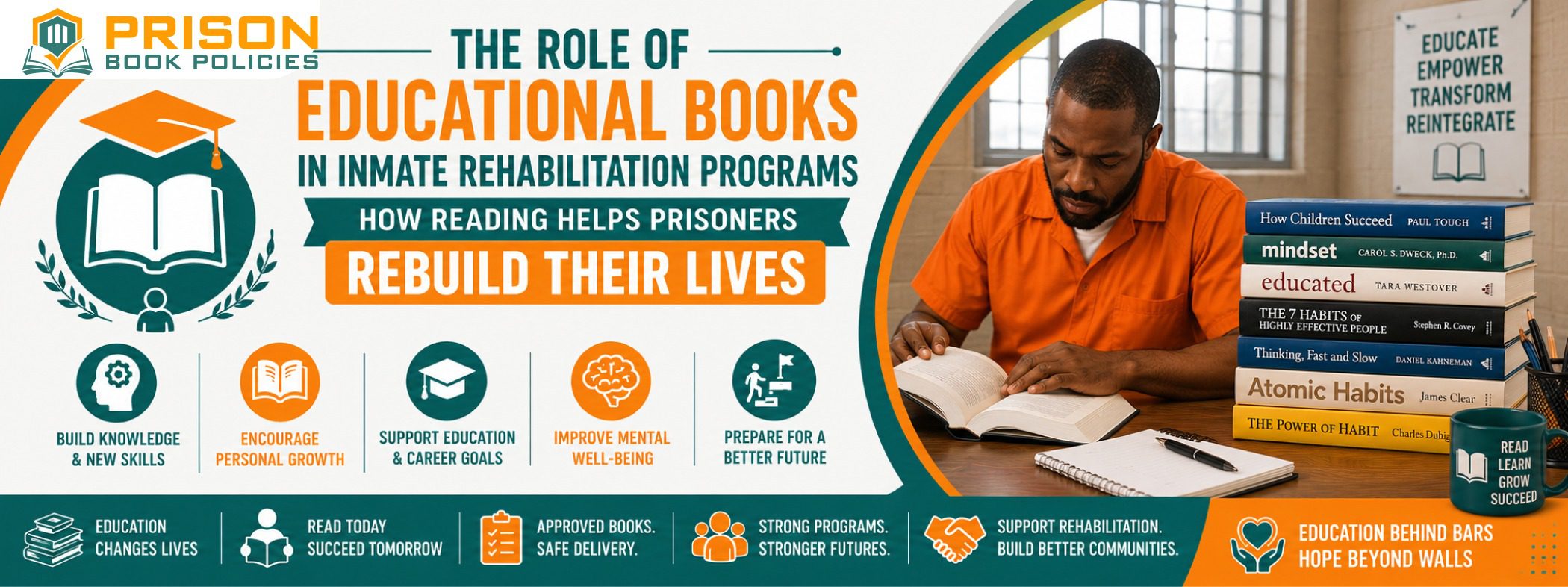
The Role of Educational Books in Inmate Rehabilitation Programs – How Reading Helps Prisoners Rebuild Their Lives
Education plays a critical role in the rehabilitation and reintegration of incarcerated individuals. One of the most effective tools within inmate rehabilitation programs is access to educational books. Reading helps inmates develop new skills, gain knowledge, and prepare for successful reentry into society. Families, educators, and prison administrators can support this process by understanding the importance of educational materials in correctional settings and strengthening rehabilitation programs nationwide. This guide from Prison Book Policies explores how educational books contribute to inmate rehabilitation programs and offers best practices for providing reading materials to prisoners. Strong rehabilitation programs often rely on consistent educational access. Why Educational Books Are Important in Inmate Rehabilitation Programs Educational books provide more than just knowledge, they foster critical thinking, personal growth, and a sense of empowerment. Within inmate rehabilitation programs, these books serve multiple purposes and improve the effectiveness of inmate rehabilitation programs overall: By incorporating educational books into rehabilitation programs, correctional facilities empower inmates to rebuild their lives and reduce the likelihood of recidivism. Successful inmate rehabilitation programs depend heavily on educational opportunities. Types of Educational Books Commonly Used in Inmate Rehabilitation Programs Prisons often provide or allow access to a variety of educational books used in inmate rehabilitation programs, including: These resources are carefully selected to comply with correctional facility rules while providing meaningful educational benefits that strengthen inmate rehabilitation programs. How Educational Books Support Successful Reintegration Inmate rehabilitation programs that include access to educational books show measurable benefits in preparing prisoners for reentry: Educational books play a key role in providing inmates with tools for rebuilding their lives and contributing positively to society upon release. Modern inmate rehabilitation programs continue to prioritize literacy and education. Best Practices for Providing Educational Books in Inmate Rehabilitation Programs To ensure educational books effectively support rehabilitation and improve inmate rehabilitation programs: Following these practices ensures books have a meaningful impact on inmate development and long-term success in inmate rehabilitation programs. Role of Families and Support Networks Families and friends can actively support inmate rehabilitation programs by: Active support from loved ones enhances the effectiveness of rehabilitation programs and fosters successful reentry outcomes. Family involvement often improves participation in inmate rehabilitation programs. How Prison Book Policies Support Educational Rehabilitation Strict mailing and publication guidelines play an important role in ensuring inmates have safe access to educational materials. Prison Book Policies helps families and supporters understand correctional facility regulations, approved vendors, and acceptable educational content for inmates participating in inmate rehabilitation programs. By following prison book policies: Understanding and following these policies ensures that educational resources reach inmates successfully and continue supporting rehabilitation efforts and effective inmate rehabilitation programs. Contact Prison Book Policies If you have any queries related to prison book regulations or about our services, feel free to contact us at: We’re here to serve you. Final Thoughts Educational books are a cornerstone of effective inmate rehabilitation programs. They provide critical opportunities for skill-building, personal growth, and preparation for life after incarceration. By ensuring access to appropriate educational materials, correctional facilities, families, and support networks empower inmates to rebuild their lives, reduce recidivism, and contribute positively to society. At Prison Book Policies, we provide guidance on approved vendors, facility regulations, and best practices for sending educational books safely to inmates. Supporting reading programs within correctional settings is an investment in rehabilitation and long-term societal benefit. Expanding educational access strengthens future inmate rehabilitation programs across correctional systems.
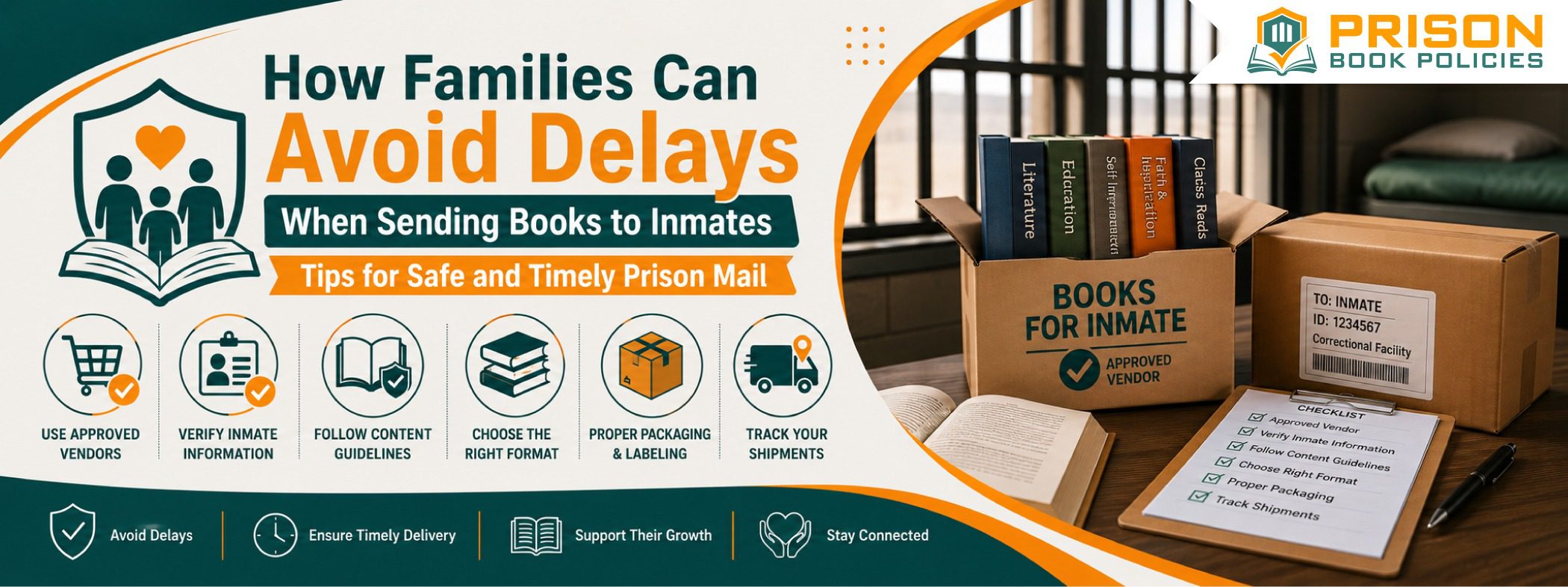
How Families Can Avoid Delays When Sending Books to Inmates – Tips for Safe and Timely Prison Mail
Sending books to incarcerated loved ones is one of the most impactful ways to provide education, entertainment, and emotional support. However, families often encounter delays or rejected packages when sending books to inmates. Understanding the rules, approved vendors, and best practices can help ensure your mail arrives safely and on time. This guide from Prison Book Policies provides practical tips for sending books to inmates while minimizing delays and complying with correctional facility regulations. Families who understand the process of sending books to inmates can avoid many common mailing problems. Why Delays Happen When Sending Books to Inmates Delays often occur due to strict security policies, facility inspections, and non-compliance with prison book policies. Common reasons include: By understanding these common issues, families can take proactive steps to avoid delays when sending books to inmates. Use Approved Vendors for Sending Books to Inmates Most correctional facilities require that books come directly from approved vendors, publishers, or bookstores. This ensures compliance with facility rules and reduces the chance of rejection. Recommended vendors include: Using an approved vendor guarantees that your sending books to inmates process follows the facility’s security protocols. Approved vendors simplify the process of sending books to inmates safely. Verify Inmate Information Accurate information is essential to avoid rejected or delayed packages. Always confirm: Incorrect or missing details are one of the most common causes of delayed book deliveries when sending books to inmates. Follow Facility Content Guidelines Prisons maintain strict rules on the types of content allowed in inmate book packages. To avoid delays: Following content guidelines ensures your books pass inspection and reach the inmate without interruption. Careful planning when sending books to inmates helps avoid unnecessary rejections. Choose the Right Format Many correctional facilities have preferences for the format of books: Proper format selection reduces inspection delays and potential rejections when sending books to inmates. Proper Packaging and Labeling Secure packaging is essential for timely delivery. Recommendations include: Well-packaged books are easier for mailroom staff to inspect, ensuring quicker processing. Proper packaging is critical when sending books to inmates through approved vendors. Track Your Shipments Whenever possible, use tracking services when sending books to inmates. Tracking allows you to: Tracking adds accountability and reduces uncertainty about delivery status. Tracking tools improve confidence when sending books to inmates nationwide. Tips for Timely Delivery To ensure your books arrive on time: Consistently following these practices minimizes the risk of delays or returned packages when sending books to inmates. How Prison Book Policies Help Families Send Books Successfully Understanding and following prison book policies is one of the most important steps families can take when sending books to inmates. Every correctional facility has unique mailing procedures designed to maintain safety and streamline mail inspections. By reviewing these policies before placing an order, families can avoid unnecessary delays, rejected shipments, and returned packages. Prison Book Policies helps families stay informed by providing updated facility guidelines, approved vendor information, and practical mailing tips. Staying compliant with these rules ensures that inmates receive educational and recreational materials without interruption while sending books to inmates correctly. Contact Prison Book Policies If you have any queries related to prison book regulations or about our services, feel free to contact us at: We’re here to serve you. Final Thoughts Families can support incarcerated loved ones by sending books to inmates, but delays and rejections are common if facility rules are not followed. Using approved vendors, verifying inmate information, adhering to content guidelines, choosing the proper format, and properly packaging shipments ensures that books reach inmates safely and on time. At Prison Book Policies, we provide updated guidance, facility-specific rules, and vendor recommendations to help families navigate inmate mail successfully. Following these best practices ensures that your books provide the intended educational and emotional benefits without unnecessary delays when sending books to inmates.
