
Education plays a critical role in the rehabilitation and reintegration of incarcerated individuals. One of the most effective tools within inmate rehabilitation programs is access to educational books. Reading helps inmates develop new skills, gain knowledge, and prepare for successful reentry into society. Families, educators, and prison administrators can support this process by understanding the importance of educational materials in correctional settings and strengthening rehabilitation programs nationwide.
This guide from Prison Book Policies explores how educational books contribute to inmate rehabilitation programs and offers best practices for providing reading materials to prisoners. Strong rehabilitation programs often rely on consistent educational access.
Why Educational Books Are Important in Inmate Rehabilitation Programs
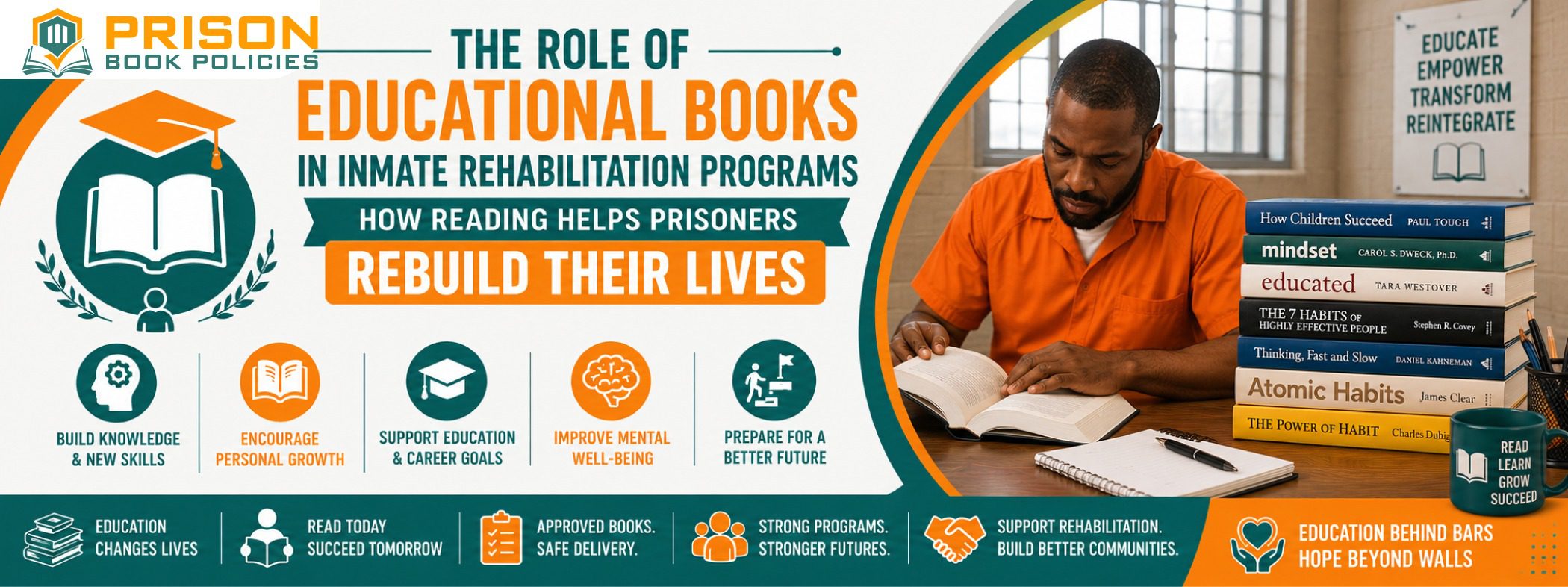
Educational books provide more than just knowledge, they foster critical thinking, personal growth, and a sense of empowerment. Within inmate rehabilitation programs, these books serve multiple purposes and improve the effectiveness of inmate rehabilitation programs overall:
- Skill Development: Helps inmates learn practical skills such as literacy, vocational training, and financial literacy.
- Personal Growth: Encourages self-reflection, emotional development, and improved decision-making.
- Academic Advancement: Supports GED preparation, higher education, and lifelong learning opportunities.
- Mental Engagement: Provides a constructive outlet that reduces boredom and encourages focused thinking.
By incorporating educational books into rehabilitation programs, correctional facilities empower inmates to rebuild their lives and reduce the likelihood of recidivism. Successful inmate rehabilitation programs depend heavily on educational opportunities.
Types of Educational Books Commonly Used in Inmate Rehabilitation Programs
Prisons often provide or allow access to a variety of educational books used in inmate rehabilitation programs, including:
- GED and High School Equivalency Prep Books – Essential for inmates completing basic education requirements.
- Vocational and Career Training Guides – Help inmates gain skills for employment post-release.
- Self-Help and Personal Development Books – Promote emotional intelligence, conflict resolution, and self-improvement.
- Academic Textbooks – Support higher education and college-level learning.
- Financial Literacy and Life Skills Books – Teach budgeting, money management, and independent living skills.
These resources are carefully selected to comply with correctional facility rules while providing meaningful educational benefits that strengthen inmate rehabilitation programs.
How Educational Books Support Successful Reintegration
Inmate rehabilitation programs that include access to educational books show measurable benefits in preparing prisoners for reentry:
- Improved Literacy and Education Levels – Better reading skills increase employability and self-confidence.
- Positive Behavioral Outcomes – Engagement with educational materials encourages discipline, responsibility, and critical thinking.
- Reduced Recidivism – Studies show inmates with access to educational programs are less likely to reoffend.
- Better Mental Health – Reading reduces stress and provides cognitive stimulation, which helps manage prison-related anxiety.
Educational books play a key role in providing inmates with tools for rebuilding their lives and contributing positively to society upon release. Modern inmate rehabilitation programs continue to prioritize literacy and education.
Best Practices for Providing Educational Books in Inmate Rehabilitation Programs
To ensure educational books effectively support rehabilitation and improve inmate rehabilitation programs:
- Use Approved Vendors: Facilities often require that books come from recognized vendors or publishers like SureShot Books Publishing LLC.
- Follow Facility Guidelines: Ensure content complies with security policies and restrictions.
- Provide a Range of Subjects: Include both academic and vocational resources to meet diverse inmate needs.
- Encourage Reading as Part of Structured Programs: Integrate books into formal courses, workshops, or mentorship initiatives.
- Monitor and Evaluate Progress: Track educational achievements and engagement to refine program effectiveness.
Following these practices ensures books have a meaningful impact on inmate development and long-term success in inmate rehabilitation programs.
Role of Families and Support Networks
Families and friends can actively support inmate rehabilitation programs by:
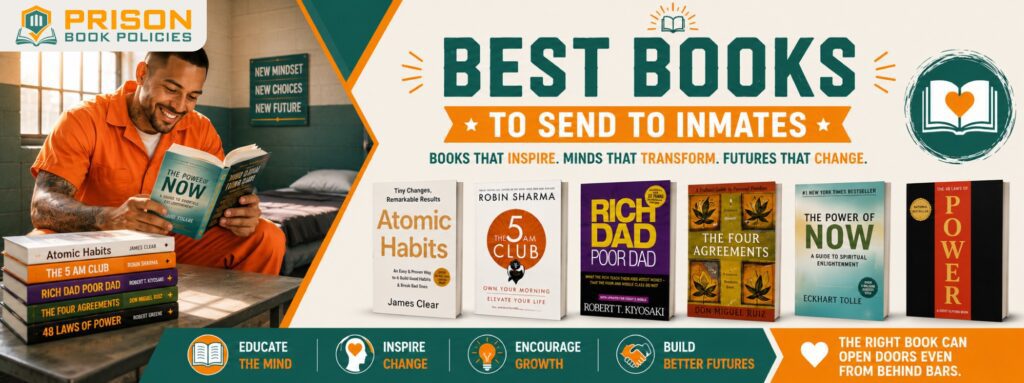
- Sending approved educational books and study materials
- Encouraging participation in literacy and vocational programs
- Discussing book content to reinforce learning and personal growth
- Maintaining connections that reinforce motivation and accountability
Active support from loved ones enhances the effectiveness of rehabilitation programs and fosters successful reentry outcomes. Family involvement often improves participation in inmate rehabilitation programs.
How Prison Book Policies Support Educational Rehabilitation
Strict mailing and publication guidelines play an important role in ensuring inmates have safe access to educational materials. Prison Book Policies helps families and supporters understand correctional facility regulations, approved vendors, and acceptable educational content for inmates participating in inmate rehabilitation programs.
By following prison book policies:
- Educational books are more likely to be accepted by correctional facilities
- Inmates receive safe and approved learning materials
- Families avoid rejected shipments and unnecessary delays
- Rehabilitation programs continue without interruption
Understanding and following these policies ensures that educational resources reach inmates successfully and continue supporting rehabilitation efforts and effective inmate rehabilitation programs.
Contact Prison Book Policies
If you have any queries related to prison book regulations or about our services, feel free to contact us at:
- Phone Number: +1 (845) 996-9638
- Email: prisonbookspolicies@gmail.com
We’re here to serve you.
Final Thoughts
Educational books are a cornerstone of effective inmate rehabilitation programs. They provide critical opportunities for skill-building, personal growth, and preparation for life after incarceration. By ensuring access to appropriate educational materials, correctional facilities, families, and support networks empower inmates to rebuild their lives, reduce recidivism, and contribute positively to society.
At Prison Book Policies, we provide guidance on approved vendors, facility regulations, and best practices for sending educational books safely to inmates. Supporting reading programs within correctional settings is an investment in rehabilitation and long-term societal benefit. Expanding educational access strengthens future inmate rehabilitation programs across correctional systems.
