

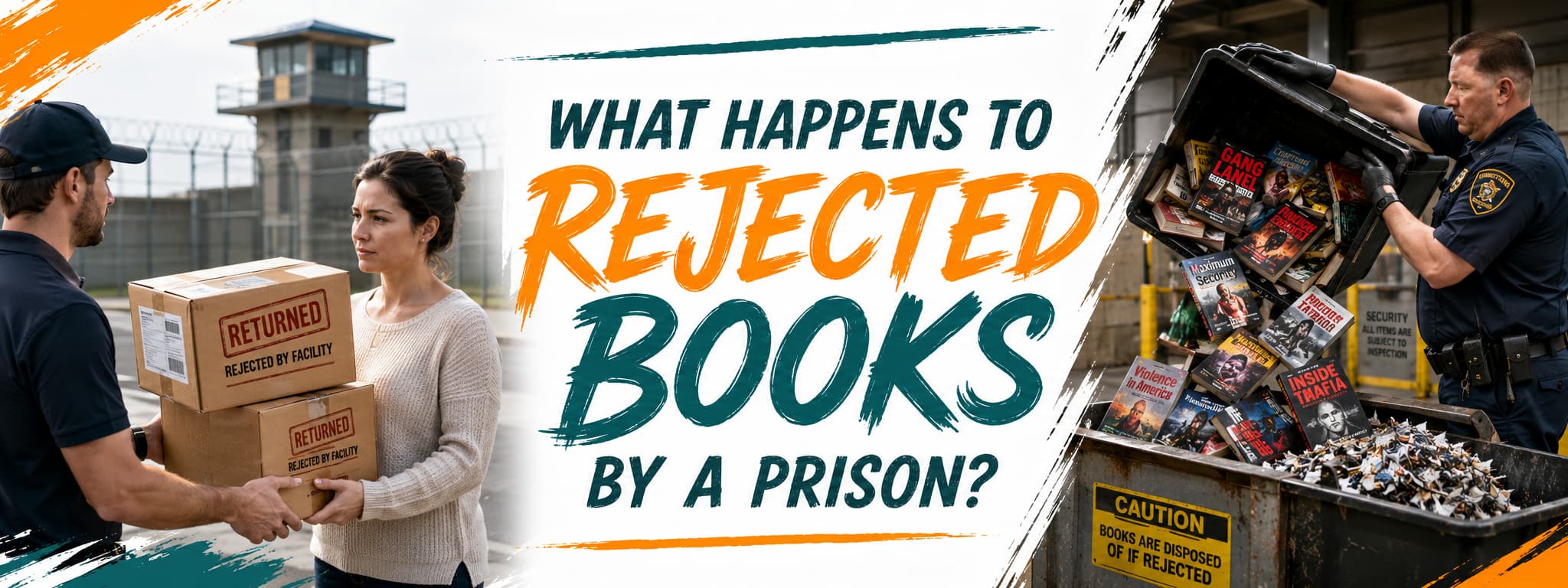

Sending books to inmates is a vital way to support education, literacy, and mental well-being in correctional facilities. However, not all books sent to inmates reach their destination. Many packages are classified as rejected books, leaving families frustrated and inmates disappointed. Understanding what happens to these books and how to prevent rejection is essential for anyone sending mail to prisons. Learning about rejections can help families avoid common mistakes.
This guide from Prison Book Policies explains why books are rejected, how correctional facilities handle them, and the best practices families can follow to ensure their books reach inmates safely without becoming rejected books.
Why Books Get Rejected in Prisons
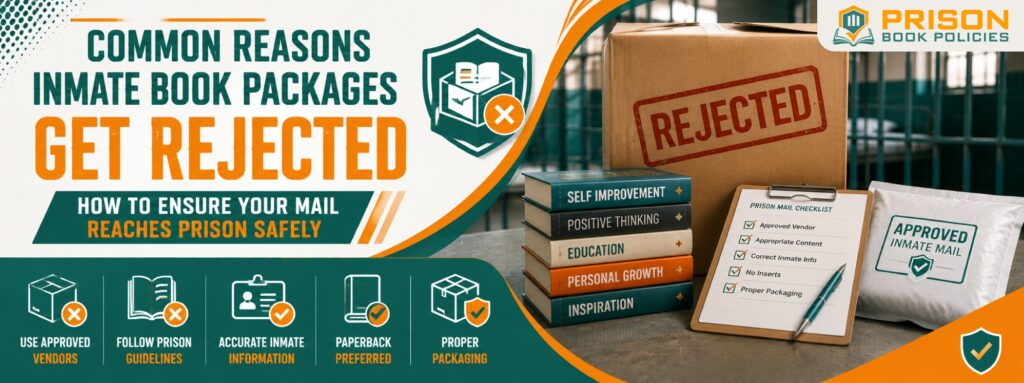
Prisons have strict rules for incoming mail and publications. Books are rejected for several reasons, all aimed at maintaining security, safety, and proper facility management, which often leads to more rejected books.
1. Non-Approved Vendors
- Many facilities only accept books sent from approved vendors or publishers like SureShot Books or Corrections BookStore.
- Packages from individuals or unrecognized stores are often classified as rejected books.
- Using approved vendors minimizes the risk of rejection.
2. Prohibited Content
- Explicit language, violence, or gang-related content is commonly restricted.
- Religious or self-help books must meet specific facility guidelines.
- Content that could incite conflict or disrupt the facility is automatically rejected.
3. Incorrect or Incomplete Inmate Information
- Missing or incorrect inmate names, ID numbers, or housing details can lead to rejection.
- Even minor mistakes in labeling can prevent books from reaching the intended recipient.
4. Unauthorized Inserts
- Letters, notes, gift cards, or stickers hidden in books often result in rejected books.
- Facilities inspect all pages for unauthorized items, and any extra material can trigger rejection.
5. Hardcovers or Oversized Packages
- Many prisons prefer paperback books; hardcovers may be prohibited.
- Packages that exceed weight or size limits are more likely to be rejected.
6. Damaged or Poorly Packaged Books
- Torn, water-damaged, or poorly packaged books may be rejected.
- Mailrooms require materials to be secure and in good condition to pass inspection.
How Prisons Handle Rejected Books
Once a book is rejected, correctional facilities follow specific procedures depending on the reason for rejection. Here’s what typically happens to rejected books:
1. Return to Sender
- Most commonly, rejected books are sent back to the sender if a return address is provided.
- The return process may take several weeks depending on the mailroom’s workflow.
- Returned packages usually include a note explaining why the book was rejected.
2. Disposal by the Facility
- If no return address is provided, or if the facility cannot return the book safely, it may be disposed of.
- Disposal methods typically include shredding or recycling the book.
- Families should provide a return address to avoid losing rejected books permanently.
3. Logging and Documentation
- Correctional facilities maintain logs of all rejected books for accountability.
- Staff record the inmate, sender, reason for rejection, and disposition of the book.
- Documentation helps prevent disputes and ensures transparency.
Common Types of Rejected Books
Certain books are more likely to be rejected due to facility policies:
- Hardcover books (unless approved for educational or religious purposes)
- Books from non-approved vendors
- Textbooks or magazines with graphic or violent content
- Religious or educational books that don’t meet edition requirements
- Books with letters, bookmarks, or additional inserts
Understanding these patterns can help families avoid sending books that are likely to become rejected books.
Tips to Avoid Sending Rejected Books
Preventing rejection requires careful preparation and attention to prison rules. Here are some tips to reduce rejected books:
1. Use Approved Vendors
- Always purchase books from vendors recognized by the correctional facility.
- Examples include SureShot Books, Corrections BookStore, and state-specific correctional bookstores.
2. Verify Inmate Information
- Double-check the inmate’s full legal name, ID number, and facility address.
- Incorrect details are a leading cause of rejected books.
3. Choose Appropriate Books
- Stick to educational, religious, or approved recreational books.
- Avoid content that is violent, sexually explicit, or gang-related.
4. Prefer Paperback Editions
- Paperbacks are generally safer and accepted more readily than hardcovers.
- Confirm if hardcover books are allowed for religious or educational purposes.
5. Proper Packaging
- Use sturdy packaging to prevent damage.
- Avoid unauthorized inserts like letters or notes unless facility rules explicitly allow them.
6. Track Your Shipment
- Use tracking services to monitor delivery and confirm the book reached the mailroom.
- Tracking also helps you follow up if a book is rejected.
Understanding Facility Differences
Not all prisons enforce the same rules, which is why some packages may be accepted in one facility but rejected in another.
- Maximum-security prisons often have stricter rules.
- Reentry centers and minimum-security facilities may allow a wider range of books.
- State vs federal facilities can have different approval processes and vendors.
Families must always check facility-specific prison book policies before sending books to avoid rejected books.

Role of Prison Book Policies
Prison Book Policies is a comprehensive resource for families sending books to inmates. Our services include:
- Facility-Specific Guidelines: Updated rules for all major correctional facilities.
- Approved Vendor Lists: Trusted vendors for safe book shipments.
- Mailing Tips: Best practices to avoid rejected books.
- Content Guidance: Lists of acceptable genres and prohibited material.
- Educational Resources: Recommendations for GED, vocational, and self-help books.
These resources make it easier for families to send books without risk of rejection and reduce the number of rejected books.
Why Avoiding Rejected Books Matters
- Saves money and prevents lost shipments
- Ensures inmates receive educational and recreational books promptly
- Reduces frustration for families and staff
- Supports the rehabilitation and mental well-being of inmates
By following guidelines and using approved vendors, families can minimize the risk of rejected books and maximize the positive impact of sending books.
Contact Prison Book Policies
If you have any queries related to prison book regulations or about our services, feel free to contact us at:
- Phone Number: +1 (845) 996-9638
- Email: prisonbookspolicies@gmail.com
We’re here to serve you.
Final Thoughts
Rejected books are a common challenge for families sending materials to inmates. Understanding why books are rejected, how prisons handle them, and following best practices can significantly reduce the risk of delays or losses. Using approved vendors, verifying inmate information, and adhering to facility rules ensures that books reach inmates safely and provide educational, recreational, and emotional benefits without becoming rejected books.
At Prison Book Policies, we provide updated facility rules, vendor recommendations, and practical tips for sending books. By staying informed, families can ensure their packages are accepted and continue to positively impact inmates’ rehabilitation and personal growth.
