
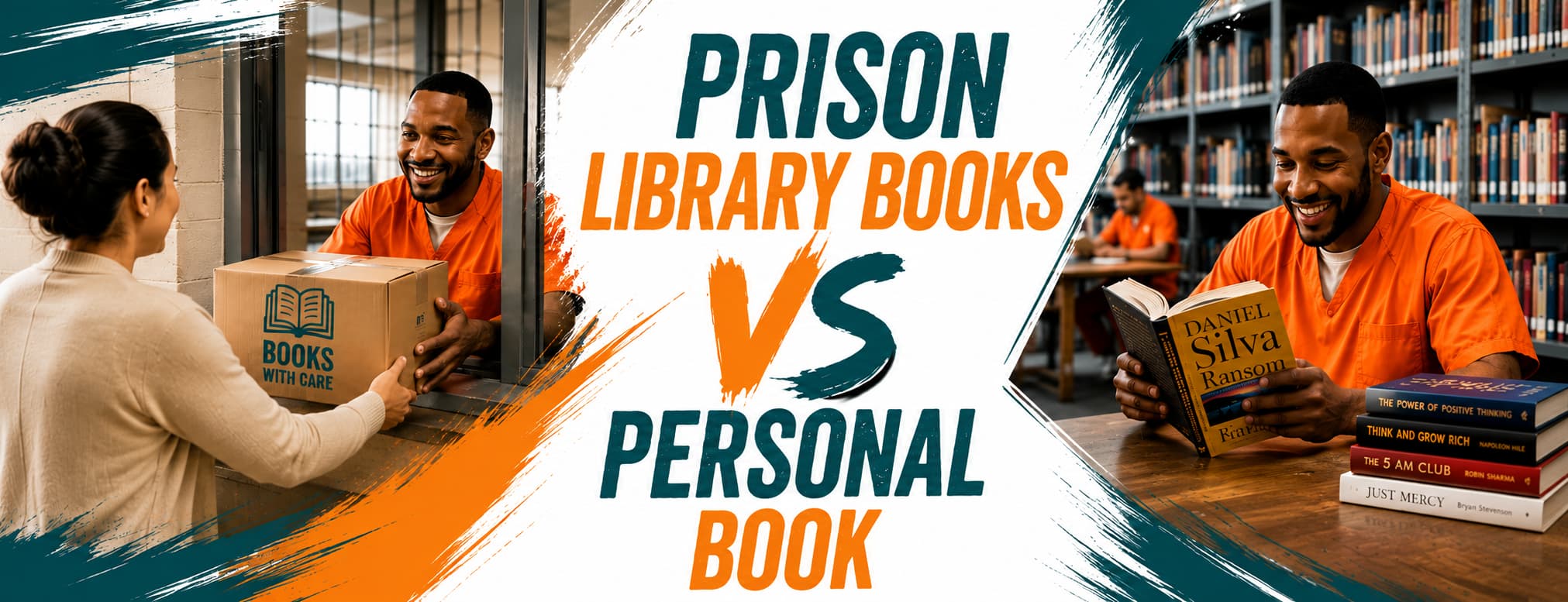

Books are a critical resource in correctional facilities, providing education, literacy development, and mental stimulation for inmates. However, families and friends often wonder about the differences between prison library books and personal book deliveries. Understanding these distinctions can help ensure that inmates receive the reading materials they need while complying with facility rules.
This guide from Prison Book Policies explores the differences between prison library books and personal book deliveries, including their purpose, accessibility, rules, and best practices for families sending books to inmates. Learning about prison library books can help families better support inmates and understand how prison library books function within facilities.
What Are Prison Library Books?
Prison library books are books maintained and circulated by the facility’s internal library system. These prison library books are typically available to all inmates and serve multiple purposes, making prison library books an essential resource:
1. Access for Education
- GED prep books, vocational training materials, and academic textbooks are commonly included.
- These books support inmate education programs and skill development.
2. Recreation and Mental Stimulation
- Fiction and nonfiction books provide entertainment and mental engagement.
- Magazines and newspapers may also be available through the prison library.
3. Controlled Circulation
- Library staff manage borrowing schedules to ensure fair access.
- Books are returned, inspected, and sanitized before being circulated again.
4. Compliance with Facility Rules
- Prison library books are pre-screened for prohibited content, making them safe for general inmate use.
- These prison library books adhere to security, format, and content regulations.
What Are Personal Book Deliveries?
Personal book deliveries are books sent directly to an inmate by family, friends, or approved vendors. These packages differ significantly from prison library books:
1. Source and Ownership
- Books are sent by an external source, often purchased by family members or ordered through approved vendors.
- Ownership transfers to the inmate upon delivery, unlike library books, which remain facility property.
2. Selection
- Families can choose specific books for educational, religious, or recreational purposes.
- Vendors like SureShot Books, Corrections BookStore, and state-specific prison bookstores ensure selections comply with facility rules.
3. Rules and Restrictions
- Personal book deliveries must meet facility regulations regarding content, format, and packaging.
- Only a limited number of books may be allowed per shipment.
- Unauthorized items such as letters, gift cards, or notes are typically prohibited.
4. Delivery Time
- Mailroom processing can add time to delivery.
- Tracking may be available if sent via an approved vendor, but delays are possible.

Key Differences Between Prison Library Books and Personal Book Deliveries
Understanding the distinctions helps families navigate the prison book system effectively:
| Feature | Prison Library Books | Personal Book Deliveries |
|---|---|---|
| Source | Facility-owned library | Family, friends, or approved vendors |
| Ownership | Remains property of the facility | Becomes property of the inmate |
| Content Selection | Pre-screened by facility staff | Chosen by sender, must comply with rules |
| Quantity | Shared among all inmates | Limited per shipment based on facility rules |
| Access | Inmate checks out books through library | Delivered directly to inmate’s cell or property |
| Processing | Managed internally | Inspected by mailroom staff, may be delayed |
| Allowed Inserts | Not applicable | Personal notes typically prohibited |
| Format Restrictions | Pre-approved by facility | Must comply with paperback/hardcover rules |
Advantages of Prison Library Books
Prison library books offer several benefits for inmates:
- Consistent Access: All inmates have equal access to library materials.
- Pre-Screened Content: Reduces risk of receiving prohibited materials.
- Support for Programs: Library books are integrated into educational and rehabilitation programs.
- No Cost to Inmates: Borrowing from the library is generally free.
Advantages of Personal Book Deliveries
Personal book deliveries also offer unique benefits:
- Personalized Selections: Families can choose books based on the inmate’s interests or educational goals.
- Specific Educational Needs: GED, vocational, and religious books can be provided directly.
- Supportive Connection: Receiving books from loved ones strengthens emotional support.
- Access to Latest Editions: Families can provide updated or specialized editions not available in the library.
Challenges With Each Option
Both prison library books and personal deliveries face challenges:
Prison Library Books
- Limited stock may result in waiting periods.
- Borrowing rules may restrict how long an inmate can keep a book.
- Some educational or religious materials may not be available in the library collection.
Personal Book Deliveries
- Packages may be delayed or rejected due to security inspections.
- Inaccurate inmate information can prevent delivery.
- Packages from non-approved vendors are often returned.
- Facility-specific restrictions may limit content, format, or quantity.
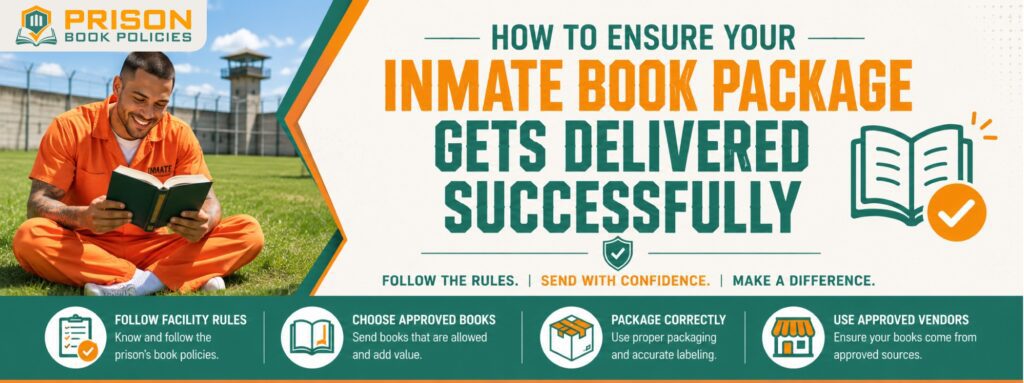
Best Practices for Sending Books to Inmates
Families can ensure smooth delivery of personal books by following these tips:
1. Use Approved Vendors
- Vendors such as SureShot Books or Corrections BookStore comply with prison book policies.
- Using approved vendors reduces the risk of rejected packages.
2. Verify Facility Rules
- Each facility has unique regulations regarding format, content, and quantity.
- Paperbacks are generally preferred, while hardcovers may be restricted.
3. Confirm Inmate Information
- Include the inmate’s full legal name, ID number, and facility address.
- Ensure all details are accurate to prevent rejected books.
4. Choose Appropriate Content
- Stick to educational, religious, or recreational materials allowed by the facility.
- Avoid prohibited content such as explicit language, gang-related materials, or graphic violence.
5. Package Securely
- Use sturdy packaging that protects the books during inspection.
- Do not include letters, notes, or other unauthorized inserts.
Role of Prison Book Policies
Prison Book Policies is a comprehensive resource for families sending books to inmates. We provide:
- Facility Guidelines: Updated rules for both library and personal book deliveries.
- Approved Vendor Lists: Trusted sources to ensure books comply with facility policies.
- Mailing Tips: Best practices to prevent rejected books and reduce delays.
- Content Recommendations: Guidance on acceptable genres for personal book shipments.
- Educational Resources: Suggestions for GED, vocational, and self-help books to support rehabilitation.
These resources help families navigate the complexities of inmate mail while ensuring books reach their intended recipients.
Contact Prison Book Policies
If you have any queries related to prison book regulations or about our services, feel free to contact us at:
- Phone Number: +1 (845) 996-9638
- Email: prisonbookspolicies@gmail.com
We’re here to serve you.
Conclusion
Both prison library books and personal book deliveries play an essential role in supporting inmate education, literacy, and personal growth. Prison library books provide equal access, pre-screened content, and integration with rehabilitation programs. Personal book deliveries offer a personalized experience, allowing families to provide specific educational or recreational materials.
Understanding the differences, following facility rules, and using approved vendors ensures that personal books reach inmates safely while complementing the resources available through prison libraries. Utilizing resources like Prison Book Policies makes it easier to navigate facility requirements and provide meaningful reading opportunities for inmates.
